
Stocking a home bar with quality rum opens up a whole new world of cocktails, sipping experiences, and memorable nights in with friends. Stores and online shops overflow with choices, making it tempting to pick up a bottle that ends up tasting harsh or flat. I’m here to break down what makes rum worth pouring, so you can add bottles to your collection with real confidence and enjoy every glass.
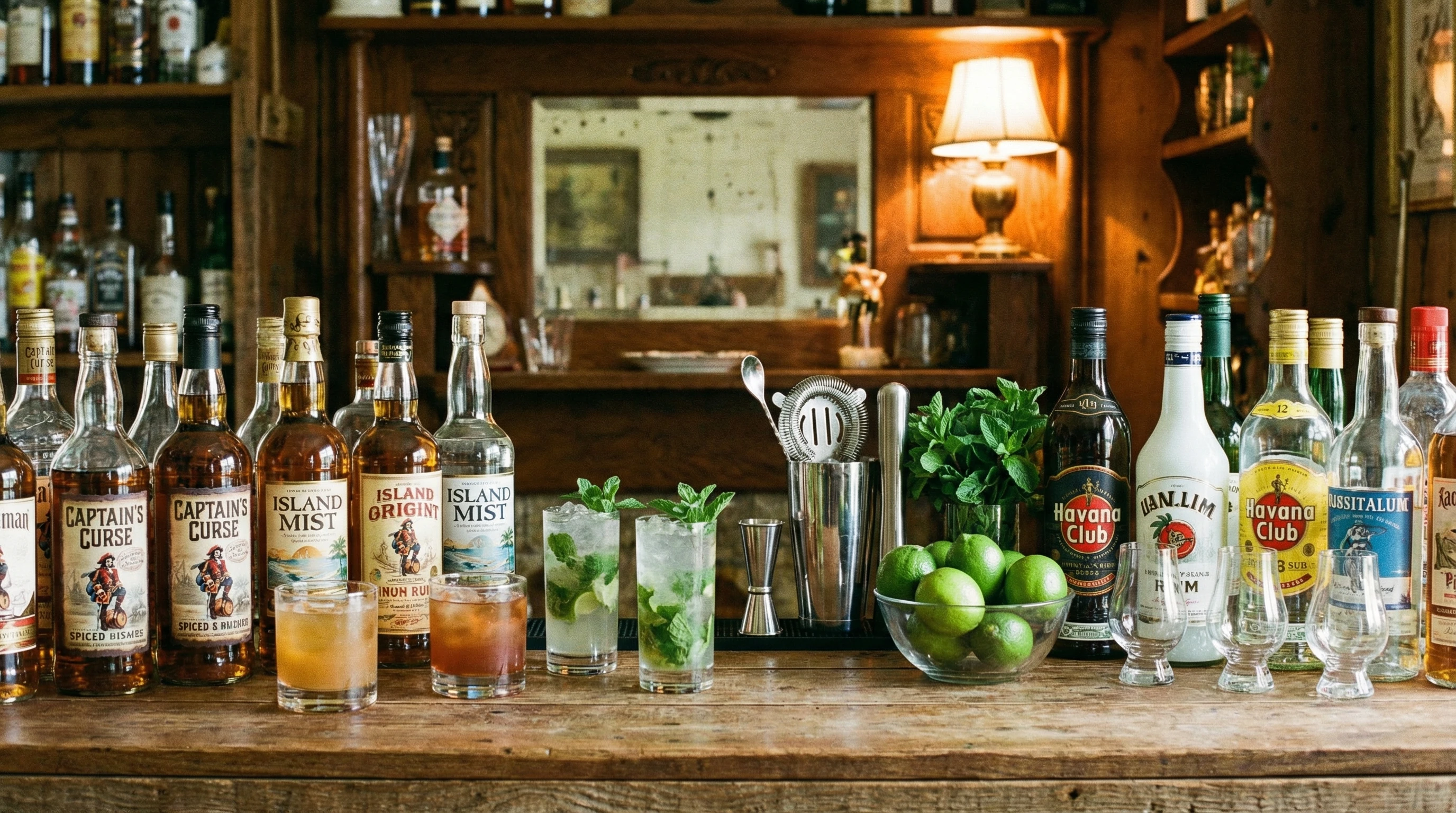
Getting to Know Rum Before You Buy
Rum’s variety is what makes it so fun and a little tricky to buy. Made from either sugarcane juice or molasses, rum hails from many corners of the world, and the style can change a lot from island to island or country to country. Understanding what’s actually in the bottle, and not just the label or price tag, makes it easier to pick what fits your flavor preferences and favorite drinks.
Most rums can be sorted by a few main things: how they’re crafted, where they originate, and how long they’ve spent aging. Each factor shapes unique flavors and influences how your cocktails or neat pours will taste. If you get a handle on the basics, you’ll be able to spot the special bottles alongside the more average options on the shelf.
Types of Rum and What Makes Them Unique
Not all rum tastes the same or fits every drink. Learning the core styles helps you grab the right bottles for both mixing and sipping. Here’s a quick guide to key rum types and what they bring to the table:
- White (Silver) Rum: Clear and lightbodied, usually aged briefly or not at all. You’ll notice touches of citrus, banana, or fresh grass. Perfect for classic cocktails like mojitos or daiquiris. They won’t overpower your mixed drinks.
- Gold (Amber) Rum: Takes on mellow color and richer flavor from a bit of time in oak barrels, usually one to three years. Expect hints of vanilla, caramel, and soft spice. Works well in tiki mixes or if you want an extra layer of flavor.
- Dark Rum: Deeper color, bolder flavors, and extra aging—some even with added molasses or caramel. Look for notes of toffee, spice, and dried fruit. Just right for rum punches, dark and stormies, or even sipping straight.
- Spiced or Flavored Rum: Mixed with spices or natural flavorings for an added twist. These rums are sweet, playful in dessert drinks, or handy whenever you’re craving something with extra character.
- Aged (Añejo or Reserva) Rum: Bottles labeled with age statements like “7 years” or “12 years” have spent extra time in oak barrels. They’ll be smoother, richer, and can compete with a fine whiskey for sipping quality.
- Overproof Rum: Bottled at a punchy strength, occasionally reaching 75% ABV or more. These rums are bold, so they shine in tiki drinks or as the spark for flaming cocktails—just use them in moderation.
Basic Steps to Selecting Quality Rum
Picking quality rum gets a lot easier if you keep a few steps in mind. Here are the moves I use every time I’m checking out a new bottle for my bar:
- Read the Label: Look for specifics like country of origin, distiller’s name, aging process, and whether sugar or extra color has been added. The more details, the better the odds are that it’s a quality bottle.
- Stick With Trusted Brands: While new brands surface all the time, classic producers from Jamaica, Barbados, Martinique, and other famous rum zones usually put out solid options, from entry to top-shelf. A few top recommendations: Mount Gay, Appleton Estate, Plantation, Ron Diplomatico, and El Dorado.
- Check the Price: If it’s super cheap, there were probably shortcuts—like heavy sweeteners or artificial flavoring. Quality usually comes at a fair price, so expect to spend at least $20–$40 for a real, enjoyable bottle.
- Ask for Recommendations: Turn to friends, bartenders, or check out rum forums (like Reddit’s r/rum) and blogs for honest takes. This helps you avoid misses and stumble upon underappreciated bottles.
Common Mistakes to Avoid When Choosing Rum
I’ve snagged a few disappointing bottles myself. Here are mistakes you can steer clear of when stocking up:
- Ignoring Rum’s Roots: Region matters a lot. Jamaican rums are funky and bold; Barbados offers smoother, balanced sips; Martinique rhum agricole brings grassy, earthy layers. Knowing the basics helps you hit your taste goal.
- Thinking Older Always Means Better: While aging can introduce sophisticated notes, plenty of younger rums taste lively and fresh. Hotter climates age rum faster, so compare styles rather than just age numbers.
- Judging by Color Alone: Rich color might come from time in barrels—but sometimes it’s just extra caramel. Color alone isn’t evidence of top-tier rum.
- Buying for Just One Purpose: Some rums shine in cocktails while others are ideal for sipping. A few brands balance both, but it’s wise to get different bottles for the jobs you have in mind.
Rum Flavors, Aromas, and What to Expect in the Glass
Great rum isn’t just about sweetness or boozy heat; depth and nuance set it apart. Here’s what I scope out with each pour:
- Nose: Check for scents like tropical fruit, vanilla, baking spice, molasses, roasted coconut, or grassy hints—each rum style shows off its own tricks.
- Palate: Flavors might run from caramel and honey to citrus zest, dark chocolate, banana, allspice, or peppery notes.
- Texture: A well-made rum feels velvety, sometimes creamy—not thin or aggressive. Look for a lingering, pleasant aftertaste that signals skill in the distillery and good aging.
Stocking Your Bar: Must-Have Rum Picks
You don’t need to fill your shelves instantly. Starting with two or three versatile rums sets you up for nearly any home bar scenario. Here’s my go-to lineup:
- White rum: Havana Club 3-Year, Plantation 3 Stars, or El Dorado 3 Year deliver crisp cocktails every time.
- Aged gold or dark rum: Mount Gay Eclipse, Appleton Estate Signature, or Diplomatico Reserva Exclusiva offer robust flavors great for sipping or classic drinks.
- Something funky: Plantation Pineapple or Smith & Cross Jamaica Rum bring bold, punchy character to cocktails and showcase rum’s wild side.
Practical Tips for Tasting and Enjoying Rum at Home
Once you’ve grabbed a bottle, here’s how you can make the most of every sip right at home:
- Use the Right Glass: Go for a tulip-shaped or small wine glass to capture aromas and get more from nosing your rum.
- Try It Neat & With a Splash: Taste it straight, then add a little water. This simple switch uncovers new flavors and helps subtle notes shine through.
- Start with Simple Cocktails: Begin with classic mixes like daiquiris, rum punches, or Cuba Libres to get a sense of the rum’s vibe before experimenting further.
- Pair with Good Snacks: Rum makes a fun sidekick for both sweet and salty bites. Pair dark rum with chocolate, or white rum with grilled shrimp to highlight fresh flavors.
Frequently Asked Questions
How can you tell if a rum is sweetened or has additives?
Some rums are “dosé,” meaning sugar’s added after distillation. Check online reviews or resources for scoop on specific brands. If the label lists “caramel color” or the flavor feels extra syrupy and artificial, that’s usually a clue. High-quality bottles often state openly if they’re all-natural.
What’s the best way to store rum at home?
Rum stores well at room temperature, preferably in a cool dark spot like a cupboard. Make sure the cap is tightly closed. While rum doesn’t spoil fast, its aroma fades as bottles empty—so invite friends over and enjoy it while it’s at its peak!
Are expensive rums always better?
Not every pricey rum deserves its tag. Higher cost sometimes means older age or limited releases, but plenty of topnotch rums are in the moderate price range. Pay more attention to distillery reputation and label details.
Final Thoughts
Stocking your home bar with impressive rum is about matching styles and flavors to your taste and entertaining goals. Read up, ask for opinions, and don’t be afraid to try something out there. That’s the secret to keeping your home bar fun and always growing. Cheers to making your next rum cocktail or neat pour something worth looking forward to!