
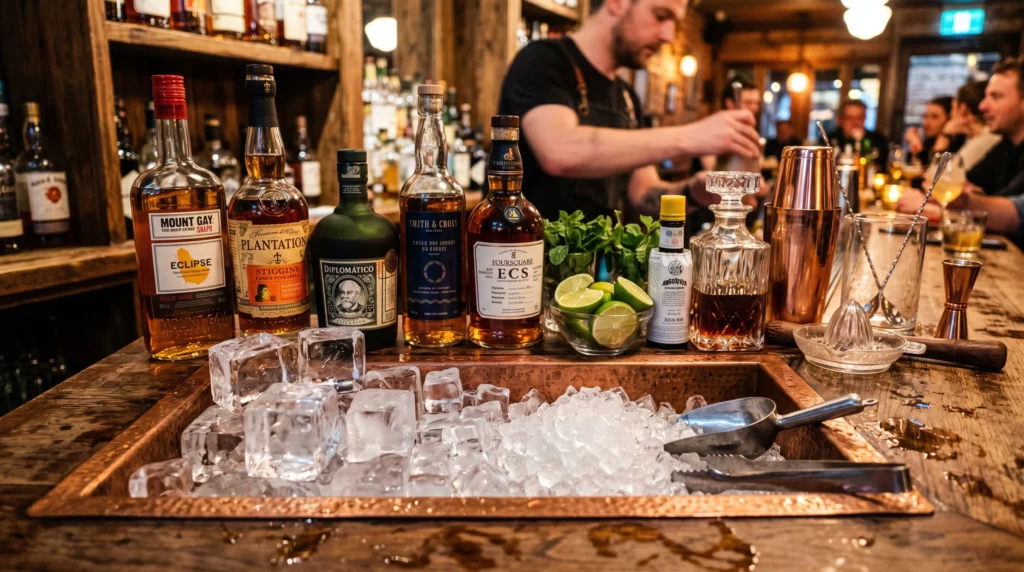
Learning how to shake and stir rum cocktails can open up a whole new world of flavors and textures, whether you’re mixing mojitos at home or hoping to nail that perfect daiquiri. Some cocktails have a crisp, clean clarity. Others take on a refreshing cloudiness with plenty of froth. Understanding the right technique, and why it works, is really important for making rum drinks that taste like a pro mixed them up. I’m sharing what I’ve learned about both methods, with a focus on what actually works best for those classic and modern rum cocktails.
Why Shaking and Stirring Make Such a Big Difference in Rum Cocktails
It might look simple to just dump ingredients in a glass and hope for the best, but how you combine those pieces can make a serious impact on the final result. Shaking and stirring don’t just chill the cocktail; they change its texture, appearance, and how the flavors hit your tongue.
Rum itself comes in many styles. From grassy white rums and spiced bottles to those extra rich aged varieties, the base you choose can make a pretty big difference. Picking the right mixing technique helps show off those flavors properly. The goal is to get a balanced, refreshing drink without over diluting or muting what makes rum special.
Most bartenders agree on one core idea: If a cocktail includes juice, egg whites, dairy, or thick syrups, shaking is the way to go. If it’s mostly spirits, liqueurs, and maybe light bitters, stirring is usually the answer. Knowing why that works will give you much more confidence with any recipe.
Getting Started: What You Need Before Mixing
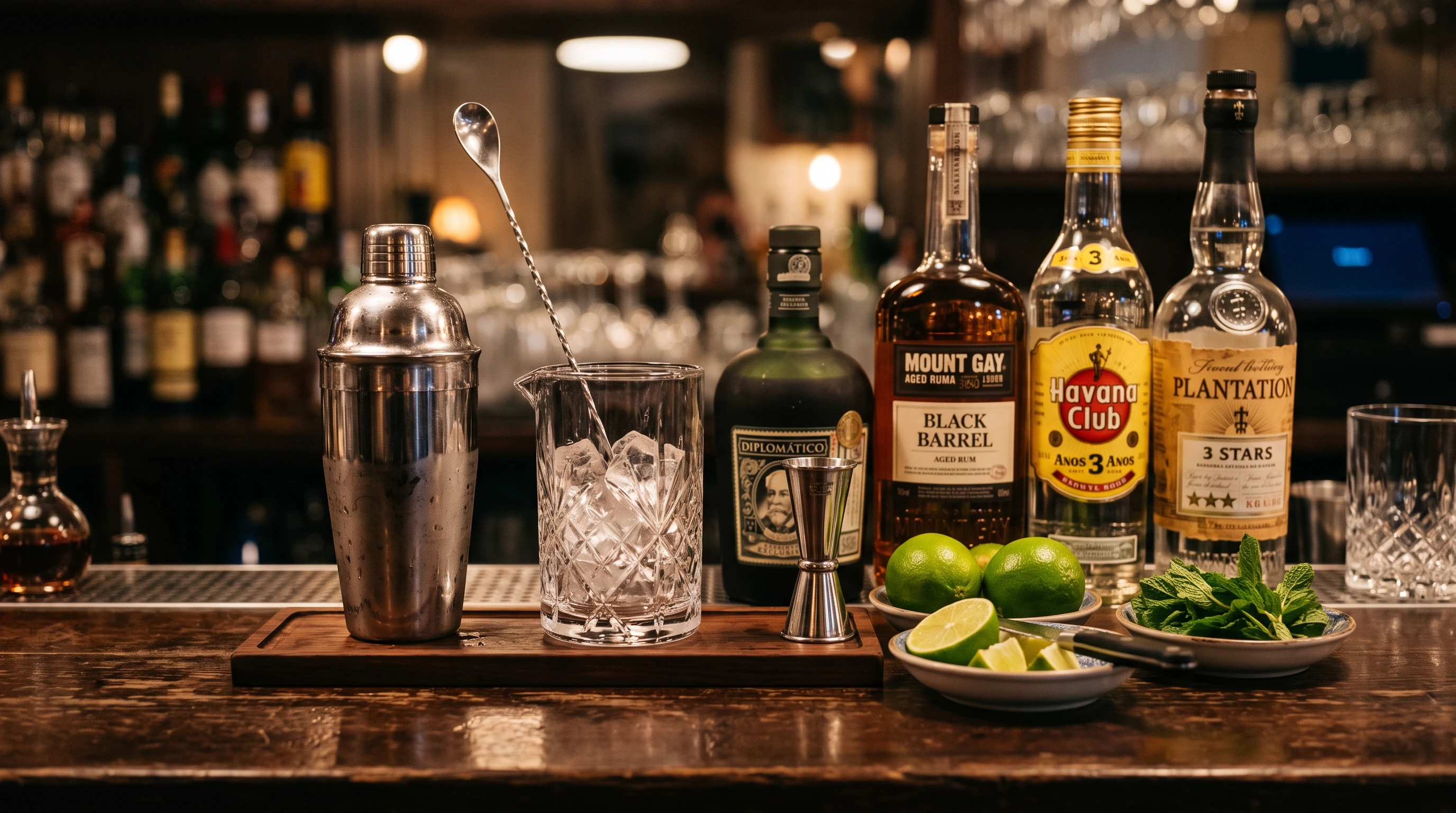
I found that having just a few basic tools is a gamechanger. Here’s what I always keep on my bar cart for both shaking and stirring:
- Cocktail Shaker: This can be the simple three piece cobbler style, or the classic Boston style with a tin and mixing glass. Both chill and aerate cocktails for that smooth froth and cloudiness.
- Mixing Glass: A heavy glass meant for stirring. It’s wider than a normal drinking glass and usually has a spout for easy pouring.
- Bar Spoon: This spiral handled spoon helps you stir smoothly and consistently without spilling.
- Strainer: For shaking, a Hawthorne strainer works best; for stirring, a julep strainer comes in handy.
Apart from these, you’ll want ice (as clear and fresh as possible), a jigger for precise measuring, and ingredients for your chosen rum cocktail.
How Shaking Works for Rum Cocktails
When I shake a rum cocktail, my goal is to blend all the flavorful ingredients, chill the drink thoroughly, and get just the right amount of dilution from the ice. Shaking smashes things together, adds air, and gives cocktails that frothy top, especially when citrus or egg whites are in the mix. This technique is perfect for drinks where you want things to feel lively and vibrant on the palate.
- Mojito (With a Twist): A classic mojito is muddled and then built over ice, but I like shaking mine when I’m adding fruit or spices.
- Rum Sour: Shaking gives the drink a thick foamy top and ensures all citrus and syrup blend fully with the rum.
- Daiquiri: Fresh lime juice, sugar, and rum come together best with a good, hard shake.
Why Shaking Works: Shaking smashes tiny air bubbles into the drink, which opens up the flavors and creates a silky texture. That’s especially noticeable in drinks with fresh fruit juices or creamy liqueurs. The extra dilution from shaking (since the ice breaks up more) also balances out potent flavors and brings everything together.
When I shake, I fill the shaker about three quarters full with ice, pour in all measured ingredients, and shake vigorously for about 15 seconds. Any longer, and I risk over diluting things. When done, I strain the drink into the proper glass, usually a coupe or rocks glass depending on the recipe.
When Stirring is the Better Choice for Rum Drinks
Stirring looks less flashy than shaking, but it’s perfect for cocktails that are mostly spirits. This applies to stirred takes on the Old Fashioned but with rum, spirit forward twists on the Manhattan (sometimes called a Rum Manhattan or a Palmetto), and other clear, spirit heavy recipes.
- Spirit Forward Cocktails: If I’m mixing an aged rum Old Fashioned or a Negroni style drink with rum, stirring protects those delicate flavors and keeps the cocktail clear.
- Simplicity: Stirring gives a gentle chill and dilutes slowly, making sure you don’t lose the subtle notes from a nice aged rum.
Why Stirring Works: Stirring is gentle. It avoids bruising alcohols or over diluting, and the result is a glass clear drink with no air bubbles and a silky mouthfeel. This technique lets the rum’s complexity shine without interruptions from extra water or foam.
I stir cocktails in a chilled mixing glass filled with lots of ice, spinning the spoon smoothly for 20 to 30 seconds. A quick taste lets me know when it’s cold enough and balanced. Then I strain into the serving glass, often over a large ice cube.
Spotting When to Shake or Stir: The Rum Cheat Sheet
- Shake it up if… The recipe calls for juice (lime, pineapple, orange), fresh fruits, syrups, cream, or egg whites. Drinks like the daiquiri, piña colada, rum punch, and mai tai almost always need a shake.
- Stir it if… The cocktail is made mostly from spirits and light mixers, and you want a clear appearance. Rum Martinis, Old Fashioneds, or drinks using aged rums benefit from stirring.
Whenever I’m experimenting with a new rum cocktail, I check the ingredient list and imagine what texture I want at the end. Some drinks even taste great both ways, shaking for a lighter, aerated texture, and stirring for a crisper, smoother profile.
Common Challenges When Mixing Rum Cocktails
- Over Dilution: Shaking for too long or stirring with wet ice floods your drink with water. This mutes the rum. I always use fresh, solid ice and keep mixing times under control.
- Cloudy Appearance: Sometimes you want a clear cocktail, but shaking makes it cloudy. If your goal is clarity, stirring with slow, smooth movements helps avoid muddiness.
- Not Balancing Flavors: Rum cocktails with lots of juice or syrup can become too sweet. Accurate measuring is super important, and tasting as you go saves the recipe before it’s too late.
Learning what you like is half the fun. Sometimes, mixing errors lead to new discoveries or fresh twists on old classics.
Extra Tips for Pro Level Rum Cocktails
- Use Good Ice: Large, clear cubes melt slower and chill efficiently. Pebble ice is my go to for tikistyle drinks that need a lot of chill but also look great in the glass.
- Chill Your Glassware: A cold glass keeps cocktails at the perfect temp and slows dilution after pouring.
- Strain Carefully: Fine mesh strainers catch bits of herbs, citrus pulp, or ice shards. This makes the drink look and taste smoother.
- Adjust to Your Taste: If a rum drink feels too sharp or too sweet, small tweaks in sugar or citrus make a big difference. Everyone’s palate is different, and part of the fun is finding your own “house style.”
- Tweak Your Techniques: If you like experimenting, try stirring a daiquiri or shaking a spiritforward rum cocktail just to see how the texture and flavors mix up. Sometimes breaking the rules leads to your own signature drink.
Classic Rum Cocktails: Stirred vs. Shaken
- Daiquiri: Almost always shaken to blend citrus, sugar, and white rum into a frothy, balanced sipper.
- Classic Rum Old Fashioned: Stirred to keep the cocktail crisp and showcase rich aged rum.
- Mai Tai: Built in the shaker for best balance. The shaking properly incorporates the nuts, citrus, and layered rums.
- Rum Manhattan (Palmetto): Stirred to create a silky, spirit forward drink without breaking up the rum’s structure.
- Piña Colada: Shaken for the frothy coconut foam and blended mouthfeel, especially if you skip the blender for an oldschool style.
Extra note: If you’re mixing up a drink with muddled herbs or fruit (like some modern mojitos), giving everything a quick shake with ice helps develop those flavors and gets a more even mix.
Frequently Asked Questions
Question: Can you shake a cocktail that’s supposed to be stirred?
Answer: Sure; it won’t ruin the drink, but it’ll make it colder and slightly more diluted, with bubbles that might blur flavors. If you prefer a lighter, cloudier drink, shaking works. For a rich, smooth, spirit forward cocktail, stirring is usually better.
Question: What happens if I shake a drink for too long?
Answer: You’ll over dilute the drink. The flavors get watered down and you might lose some of the quality and character of the rum. Try shaking for 10 to 15 seconds, as that usually does the trick.
Question: Why does my stirred drink taste different from a shaken one?
Answer: Stirring chills without adding air or breaking up the ingredients. The drink will taste “thicker” and richer. Shaking adds air and texture, brightening the flavors, especially for drinks heavy on citrus or juice.
Final Thoughts
Understanding when to shake or stir brings out the best in rum cocktails. The technique you choose shapes the flavor, texture, and vibe of the drink. I find that experimenting with both is the best way to figure out your preferences. Whether you love a zippy shaken daiquiri or a super smooth stirred rum Manhattan, knowing these basics helps you mix up something special every time. Cheers to that next great rum creation!