
Classic rum carries a pretty colorful past, connecting oceans, continents, and centuries of change. When I think about traditional rum, what pops to mind isn’t just pirates and old-timey ships, but fields of sugarcane, bustling ports, and evolving distilleries. If you’ve ever wondered where classic rum comes from or why it’s so tied to Caribbean and colonial stories, there’s actually a lot to unpack behind every bottle. Here’s a historical overview that gets into how rum got its start, grew across the world, and found a place on shelves and in hearts all over today.
The Roots of Classic Rum
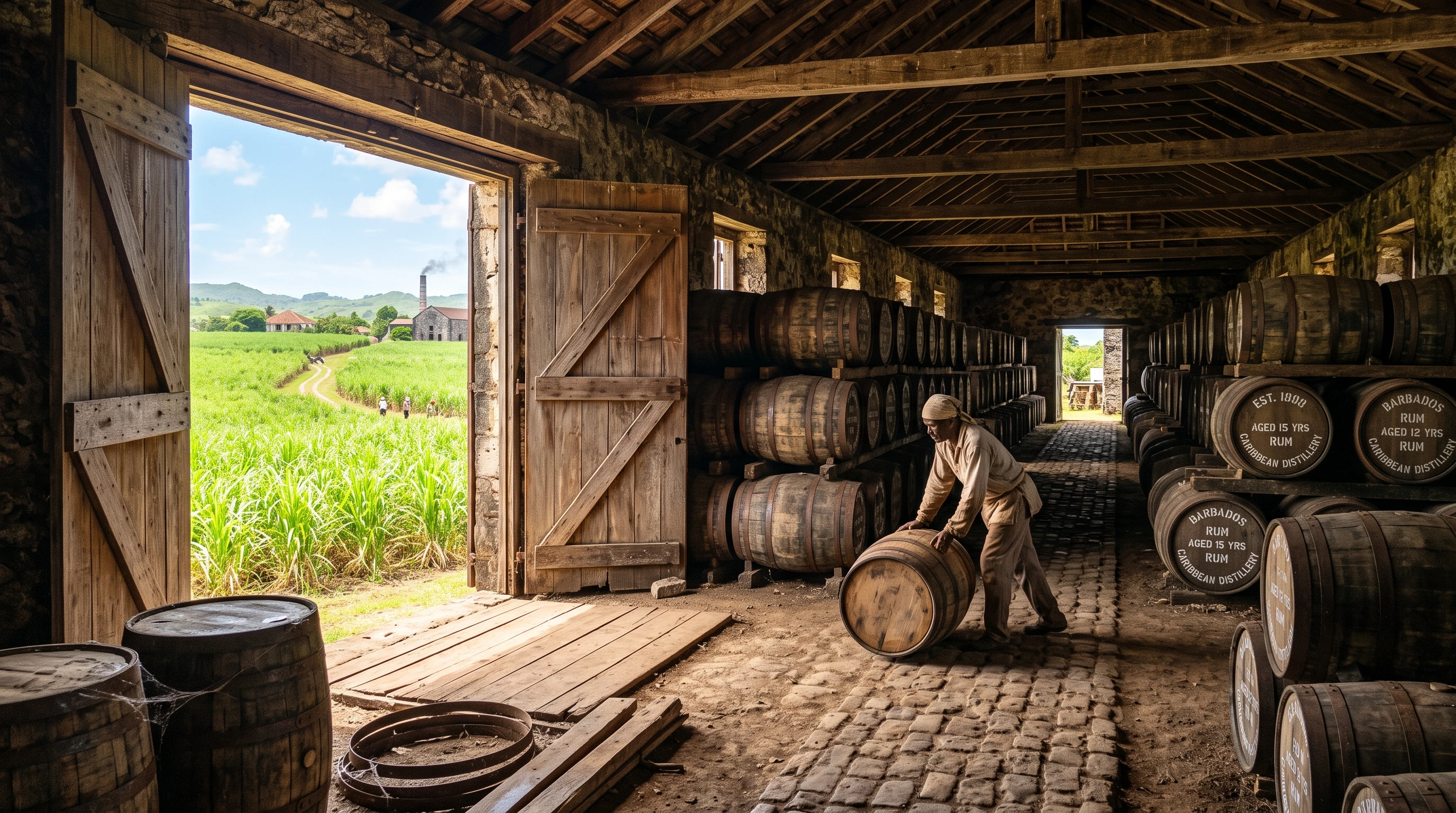
Rum’s origin story goes back much further than most people guess. While sugarcane itself is native to Southeast Asia, I learned that its journey west really kicked things off. When explorers and colonists started bringing sugarcane to Mediterranean regions and, eventually, the Caribbean and South America, the groundwork for rum was laid. By the 15th and 16th centuries, sugarcane was thriving in places like the Azores, Madeira, and the Canary Islands.
Originally, people noticed a sticky byproduct of sugar production, molasses, that wasn’t very useful at first. Over time, local populations, especially enslaved Africans and laborers working on plantations, figured out that fermenting and distilling molasses led to something strong, sweet, and a bit fiery: early forms of rum. This newfound drink quickly caught the interest of colonists across the Caribbean, and I think that’s really where classic rum’s story starts rolling.
Caribbean Influence and Early Spirits
The Caribbean is really where classic rum developed its distinct identity. Distillation methods improved through the 1600s, thanks mostly to Dutch, Spanish, French, and English colonists, each bringing their own twists. Islands like Barbados, Jamaica, and Martinique claim their own early rum history. Barbados, for example, is often called the birthplace of rum, with written records dating to the 1650s mentioning a “hot, hellish, and terrible liquor” called rumbullion or kill-devil. Despite the rough names, its popularity spread quickly through sailors, pirates, and merchants.
Rum wasn’t just a tasty local treat; it turned into a vital trade item. By the late 1600s, it played a big role in the infamous triangular trade, connecting Europe, Africa, and the Americas. Shipments of rum, sugar, and other goods helped build fortunes for plantation owners, but it’s important to remember the darker side: this trade was deeply tangled up in enslaved labor and exploitation. For centuries, producing classic rum was closely connected to broader global history, both the good and the bad.
Rum’s Growth in Colonial America
Classic rum didn’t stay in the islands for long. Colonists up and down North America, especially in places like New England, developed their own taste for rum by the 18th century. Early American rum distilleries popped up in cities like Boston and Newport. Interestingly, the American colonies relied on imported Caribbean molasses for their rum, linking the economies together. At one point, rum was so common that it often served as currency for goods and even wages.
Political tensions sometimes flared because of rum. The British government taxed molasses and rum production, leading to acts like the Molasses Act (1733) and the Sugar Act, both of which stirred up a lot of anger in the colonies, adding fuel to the American Revolution. Rum was part of broader debates about colonial rights and independence. Even George Washington reportedly served rum at his presidential inauguration. Thinking back on that really highlights how deeply rum was woven into early American life.
Distillation Methods and Flavor Development
How rum is made shapes its flavor and reputation. The oldest rum styles were pretty rough around the edges. Early distillation equipment was basic, with pot stills and wooden barrels. With time, rum makers tweaked their recipes and stills, leading to smoother, more consistent rums. For example, the introduction of copper stills allowed distillers to control temperature better and remove unwanted flavors.
Certain islands became known for their own takes on classic rum. Jamaican rums, for instance, are famous for their rich, funky flavors called “hogo.” Martinique uses a special process called rhum agricole, which distills fresh sugarcane juice instead of molasses. Each approach results in unique aromas, ranging from fruity and grassy to heavy and smoky. Barrel aging, an innovation that took off in the 18th century, mellowed the spirit and brought out warm, toasty notes. These advances turned rum into something that could be sipped neat, not just hidden in punches or grogs.
Challenges, Regulations, and Changing Tastes
Rum saw its share of ups and downs over the years. Wars, changing trade routes, and taxes sometimes squeezed rum production, while competition from spirits like whiskey and gin became tough, especially in markets like the United States. During the American Prohibition in the 1920s, rum-running and smuggling brought both danger and excitement to the scene, launching legends and shaping speakeasy culture.
At the same time, governments in the Caribbean began to regulate rum more closely to guarantee consistent quality and fair competition. Countries like Cuba, Puerto Rico, and Barbados set up laws defining what could legally be labeled as “rum,” how strong it had to be, and where it could be made. These new rules helped create the clear, recognizable categories that classic rum fans know today: gold, white, dark, and spiced.
Rum’s Role in Nautical Life
One thing that stands out about classic rum is its reputation as the drink of the sea. British sailors, for example, received daily rum rations (the famous “tot”) for over 200 years, right up until 1970, called “Black Tot Day.” The Royal Navy added lime juice to the mix, to help prevent scurvy, which probably started the whole “grog” tradition. Rum’s portability and punchy strength made it pretty handy for long sea voyages and rough living conditions.
Rum also became the drink of choice for pirates, privateers, and adventurers. Tales of buried treasure and rough-and-tumble characters are still attached to the rum brand image today. The connection to maritime history gives classic rum a little bit of mystery and romance that you don’t always find with other spirits.
Rum in Modern Culture
Today, classic rum isn’t just an oldschool drink; it’s a symbol of heritage, celebration, and even rebellion. The spirit has inspired countless songs, books, and films. If you’ve ever sipped a daiquiri, painkiller, or mojito at a tiki bar, you’re enjoying rum’s modern legacy. Many distilleries now focus on traditional methods, smallbatch production, and unique aging techniques that bring new flavors while celebrating the roots of classic rum.
Collectors, bartenders, and casual rum lovers, myself included, can now explore a wide range of authentic classic rums. Some distilleries have been around for hundreds of years, sticking close to original recipes, while others take creative spins by experimenting with barrels, blending, or different types of sugarcane. It’s never been easier to compare classic rums head to head or learn the subtle differences that set each region or label apart.
Common Questions about Classic Rum History
If you’re just getting into rum, some questions tend to come up:
What made rum so popular compared to other spirits?
Rum was easy and cheap to make in the sugar producing Caribbean, and it could be shipped over long distances without spoiling. It was also traded widely, making it accessible almost anywhere sailors or traders traveled.
How are classic rums different from modern rums?
Classic rums typically use older, more traditional methods, like pot stills, long fermentation times, and natural aging in barrels. Modern rums might be made in big industrial stills, sometimes flavored or sweetened, making for a lighter or sometimes super smooth taste that’s a bit different from the robust, fullbodied classics.
Was rum always associated with pirates?
The pirate connection is real, but it got exaggerated by pop culture. Rum was easy to grab in the Caribbean, and pirates definitely took advantage, but sailors, colonists, and even politicians were just as likely to have rum in their cups.
Why do some rums say “agricole” or “anejo” on the label?
“Rhum agricole” refers to rum made from freshpressed sugarcane juice instead of molasses, common in French Caribbean islands. “Añejo” means “aged” in Spanish, showing the rum’s spent more time in barrels, often leading to richer flavors and a deeper color.
Getting to Know Classic Rum at Home
Anyone wanting to taste some real history can try classic rums from heritage producers in Barbados, Jamaica, or Martinique. Read up on their processes, or even visit if you can, because many distilleries have tours that get even deeper into the story and craft behind their spirits. Comparing rums from different islands is both fun and eye opening, since you’ll find flavors ranging from bold and funky to light and floral.
- Barbadian Rum: Known for a balanced, slightly sweet profile with notes of vanilla, coconut, and spice.
- Jamaican Rum: Famous for its rich, funky flavors and deep complexity, often used in tiki drinks.
- Martinique Rhum Agricole: Distinct grassy, vegetal notes that reflect its fresh sugarcane base.
- Cuban and Puerto Rican Rums: Usually lighter, crisper, and great for mixing in cocktails.
Rum really brings the taste of history to life, mixing both the good times and the tough lessons. Tasting a classic rum is like stepping back into an era of explorers, traders, and lively port towns. With each sip, you get a sense of the resilience and creativity that shaped its story, all the way from sugarcane fields to today’s glass.